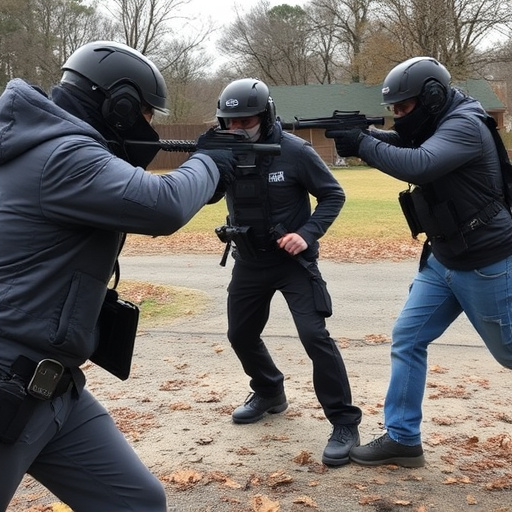
Stun guns with safety features are ideal for beginners seeking non-lethal self-defense options, offering temporary incapacitation through electrical impulses up to 30 feet. Key safety mechanisms include manual switches, trigger locks, and automatic shut-off after each discharge. Beginners should prioritize models with integral safety components to minimize risks of misuse and accidental discharge. Understanding projectile range (2-15 meters) is crucial for effective and safe deployment, aligning with personal space requirements and potential threats. Effectiveness depends on power output (in joules), projectile type, environmental conditions, and aiming skills; proper training enhances accuracy and reach. Regular maintenance ensures optimal performance.
Discover the world of stun weapons with our comprehensive guide tailored for novice users. Learn about the fundamental concepts, safety measures, and crucial aspects like projectile range. Understanding these key elements is essential before purchasing your first stun gun. From basic mechanics to advanced techniques, we explore factors influencing accuracy and range optimization. Equip yourself with knowledge on stun guns with safety features, ensuring responsible use for personal protection.
- Understanding Stun Weapon Basics: A Beginner's Guide
- Safety Features: Essential Components for Novice Users
- Projectile Range: What You Need to Know Before Purchase
- Factors Affecting Range and Accuracy
- Best Practices for Stun Gun Use and Range Optimization
Understanding Stun Weapon Basics: A Beginner's Guide
Stun weapons, often referred to as stun guns or electroshock weapons, are non-lethal self-defense tools designed to incapacitate a target temporarily through electrical impulses. These devices have gained popularity among individuals seeking effective personal safety measures, especially for beginners looking into non-violent defense options. Stun guns with safety features cater to this demographic by offering controlled and reliable protection without causing permanent harm.
For beginners, understanding the basics of stun weapon operation is crucial. These weapons typically fire small projectiles or deliver a shock through direct contact or proximity to the target’s body. The range at which these devices are effective varies; some models boast ranges up to 30 feet (approximately 9 meters), allowing users to maintain distance during a confrontation. Safety features include automatic shut-off mechanisms after each discharge, ensuring responsible use and preventing accidental activation.
Safety Features: Essential Components for Novice Users
For novice users considering acquiring a stun gun, prioritizing safety features is paramount. Beyond ensuring the weapon itself is legally compliant and from a reputable manufacturer, integral safety components significantly reduce risks associated with misuse or accidental discharge. Look for models featuring manual safety switches that require explicit activation to fire, preventing unintended deployment. Additionally, smart design elements like trigger locks or built-in safety mechanisms that limit the number of shots per activation are invaluable for beginners seeking to gain confidence and control without compromising safety.
These safety features empower users by instilling a deep understanding of responsible stun gun usage. They serve as crucial safeguards, minimizing potential harm not only to the user but also to others in close proximity. By choosing stun guns with these essential components, novice users can focus on learning proper techniques and developing muscle memory for safe and effective deployment.
Projectile Range: What You Need to Know Before Purchase
When considering stun weapons, understanding their projectile range is crucial before making a purchase. Stun guns with safety features designed for beginners often come with adjustable firing ranges, catering to various user needs and preferences. The typical range can vary from 2 to 15 meters (6.5 to 49 feet), depending on the device’s power output and design. It’s essential to select a stun gun that offers an appropriate range for your intended use cases, ensuring both effectiveness and safety.
Before buying, beginners should consider their personal space requirements and potential threats they may face. For close-quarters self-defense scenarios, a shorter range might be sufficient, while larger areas or outdoor environments may demand a longer reach. Understanding these factors will help in choosing stun guns with the right projectile capabilities, ensuring you’re equipped for any situation while adhering to safety protocols.
Factors Affecting Range and Accuracy
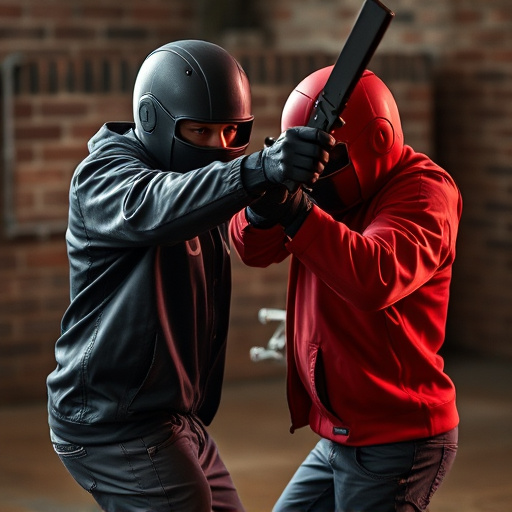
The range and accuracy of stun weapons, often referred to as stun guns or electronic control devices (ECDs), are influenced by several key factors. One of the primary considerations for users, especially beginners with safety features in mind, is the effective distance these devices can deploy their projectiles. The power output, measured in joules, plays a significant role; higher energy levels generally result in increased range and impact force. However, it’s crucial to balance this against the potential risk associated with more powerful stun guns.
Other factors include the type of projectile used—whether it’s a dart, beanbag, or other design—and the environment. Wind conditions can significantly affect accuracy and range, especially in open areas where crosswinds may alter the trajectory. Additionally, the user’s ability to properly aim and deploy the stun weapon is paramount; training and practice are essential for maximizing both accuracy and the effective reach of these devices, particularly in real-world scenarios that stun gun users, especially beginners, might encounter.
Best Practices for Stun Gun Use and Range Optimization
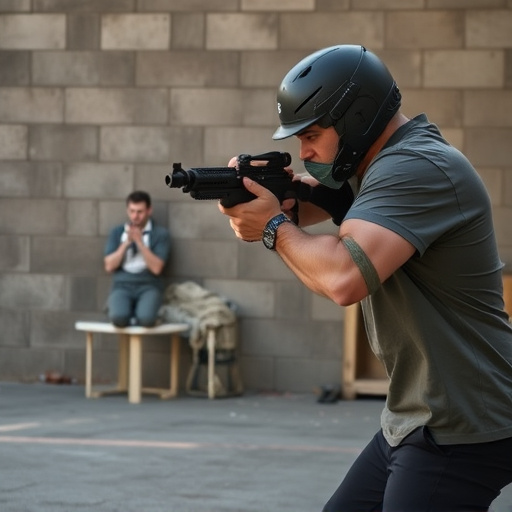
When it comes to stun gun use, best practices should always be prioritized for both safety and effectiveness. For beginners, selecting stun guns with built-in safety features is essential. These include safety switches that require a firm press, ensuring accidental activation is prevented. Training on proper grip and target selection is crucial; understanding the weapon’s range and how to accurately deploy it can significantly enhance its capabilities. Regular maintenance, such as regularly testing the device and keeping it charged, ensures optimal performance when needed.
Range optimization plays a vital role in making stun guns an effective self-defense tool. While stun guns typically have a shorter range compared to firearms, proper technique and awareness can maximize their reach. Aiming for larger muscle groups like the thighs or upper arms increases the likelihood of a successful stun. Additionally, using environmental cues, such as walls or barriers, can extend the effective range by reflecting the projectile force. Practicing in open areas allows for better control and understanding of the weapon’s limitations, ensuring users are prepared to react accordingly in real-world scenarios.
Stun weapons, particularly stun guns, offer a powerful self-defense solution for beginners looking to enhance their personal safety. Understanding the projectile range capabilities is crucial, as it directly impacts effectiveness and usage scenarios. By grasping the factors influencing range and adopting best practices, users can maximize the reach of their stun gun while prioritizing safety through built-in features designed for novice users. Armed with this knowledge, individuals can make informed decisions when selecting a stun gun, ensuring both its reliability and their security in various situations.